
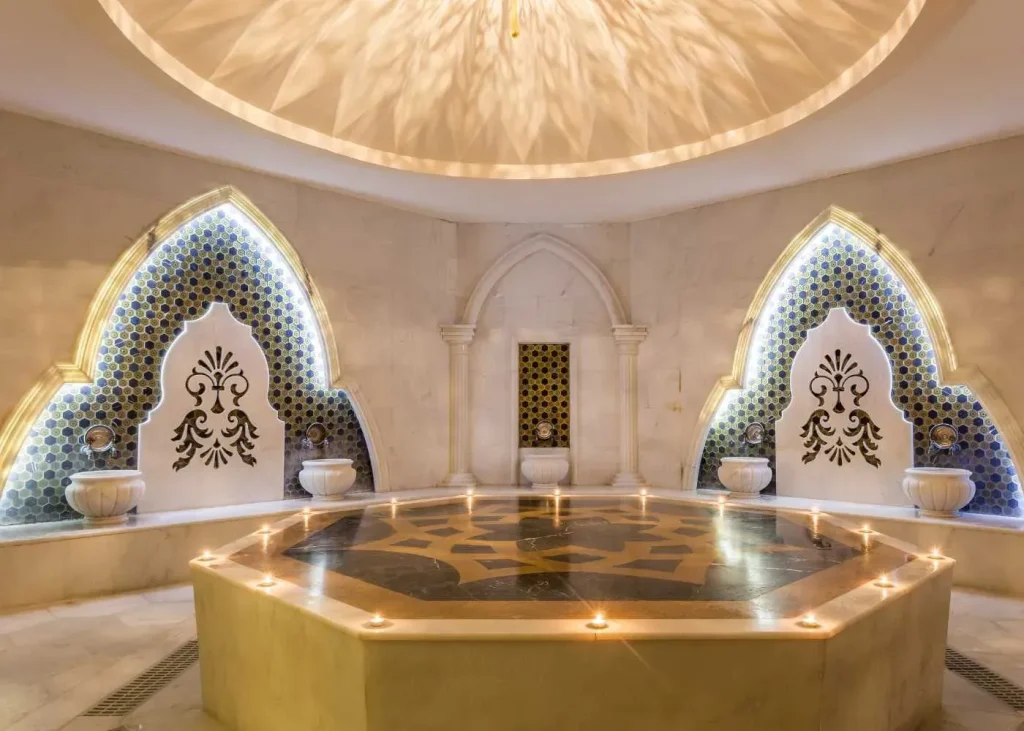
Turkish Hammam is more than a spa treatment; it’s a centuries-old social and cultural ritual that has shaped bathhouse culture across the Turkish-speaking world and beyond. You’ll often hear Turkish Bath used interchangeably in guides, but the hammam vs bath difference can signal whether you’re stepping into a full ritual or a more simplified steam experience. This introduction highlights the Turkish spa traditions behind the ritual, from marble interiors and domed ceilings to kese exfoliation and olive oil soap massages. Knowing hammam etiquette helps travelers participate respectfully, enjoy the rhythm of cleansing, and maximize relaxation. From the warm pre-wash to the steamy main room, the Turkish steam room experience blends ritual cleansing with communal connection, offering a timeless cultural escape.
Across Turkish bath culture, you’ll find this cleansing tradition described through different phrases that reflect location and emphasis. In line with Latent Semantic Indexing principles, imagine the same experience framed as an Ottoman steam bath, a spa ritual, or a multi-room cleansing sequence that centers heat, exfoliation, and soap massage. Some venues market labels like ‘steam room experience’ or ‘traditional bath ritual’ while preserving the kese and oil massage at the heart of the practice. Looking for related cues such as kese scrub, olive oil massage, or a wrap and rest period helps readers connect the dots across variants. Ultimately, all terms point to a shared heritage of cleansing, social interaction, and renewal that defines the Turkish bath tradition.
Turkish Hammam Unveiled: Rituals, Etiquette, and Social Spa Traditions
Turkish Hammam is not merely a spa treatment; it is a living ritual that unfolds across a sequence of rooms designed to heat the body, soften the skin, and invite social interaction. The classic flow moves from a warm area to a hot room, then into a cooling space, with the kese exfoliation and olive oil soap massage playing central roles in cleansing and renewal. This multi-room architecture supports a contemplative pace, a hallmark of Turkish spa traditions that blends personal care with communal ceremony.
Even when guides refer to it as a Turkish Bath, the underlying practice is deeply rooted in Hammam etiquette and tradition. The terms Hammam and Turkish Bath are often used interchangeably in travel writing, yet the ritual emphasis and room sequence can signal a traditional experience versus a more modern, self-service option. Understanding these nuances helps travelers choose a setting that offers the full ritual or a lighter visit aligned with their comfort.
Hammam vs Bath Difference: Key Distinctions in Terminology and Practice
The hammam vs bath difference is more than vocabulary; it reflects how facilities present the ritual, the architectural setting, and the level of guided cleansing. Traditional Hammams foreground the full cleansing sequence—steam, exfoliation, soap massage, and often a post-treatment oil—within a sculpted marble environment. The emphasis is on shared space, slow movement, and attendant-led care during the kese and massage.
In many destinations labeled as a Turkish Bath, you may encounter a more streamlined experience that highlights steam and relaxation rather than the full ritual. Even so, facilities often still offer the core elements, and etiquette remains essential: modest dress, clear communication of pressure, and respect for others enjoying the space.
The Turkish Steam Room Experience: Heat, Hydration, and Exfoliation
Step into the Turkish steam room, the heart of the experience, where heat and moisture open pores and soften skin. The central hot chamber is designed to induce a gentle sweat and a sense of calm, making subsequent cleansing more effective and enjoyable. This stage sets the tone for the rest of the ritual and is a signature element of the Turkish steam room tradition.
After the heat, guests typically move to warmer and cooler spaces, hydrate, and listen to the attendants’ guidance for exfoliation timing and pressure. Maintaining hydration and pacing is essential, especially for first-timers, to prevent overheating and to fully absorb the benefits of the cleansing sequence.
Turkish Spa Traditions: Cultural Significance and the Living Legacy
Long before modern spa hotels, Turkish spa traditions shaped social life in cities across the Ottoman Empire. Hammams functioned as communal places for renewal, conversation, and shared rituals, where people of different ages and backgrounds met in a respectful, ceremonial setting. The cultural significance extends beyond cleansing to hospitality, aromas from essential oils, and restorative routines that travelers can observe as part of cultural immersion.
Today these traditions continue to influence how hammams are experienced and perceived. Visitors often leave with a sense of connection to history, along with tangible benefits like improved circulation and skin cleansing, all of which reinforce the social and cultural dimensions of the hammam encounter.
Practical Tips for Beginners: Hammam Etiquette and Preparation
Begin with modesty and guidance: arrive dressed as requested by the facility (some require modest swimwear; others provide pestemals), store belongings in a locker, and follow the staff’s instructions. Knowing about hammam etiquette—polite interaction with attendants, waiting turns, and a calm, unhurried pace—helps you feel comfortable and respectful in a traditional setting.
During the ritual, you’ll experience the kese exfoliation, soap massage, and optional oil treatments. Communicate preferences for pressure and sensitivity, and allow rest periods in cooling areas to absorb the warmth and hydration. Bringing a small towel, flip-flops, and a water bottle can improve comfort and safety.
Choosing a Hammam or Turkish Bath: What to Look For
Look for cleanliness, trained attendants, and clear indications of what’s included in the package—access to all rooms, towels, exfoliation, and massages. Reading recent reviews can reveal how well a facility maintains hygiene, respects privacy, and delivers authentic rituals rather than a purely modern spa feel. Whether you choose a traditional Hammam or a Turkish Bath, the core ritual should align with the expectations set by the description and the facility’s reputation.
Consider pricing, inclusions, accessibility, and local customs. Some places emphasize the full ritual with kese and soap massage, others offer lighter experiences. Ensure you understand the schedule, availability of rest areas, and whether oils or massage add-ons are included. Budget and comfort should guide your choice as you explore Turkish spa traditions in a setting that suits your travel plans.
Frequently Asked Questions
What is the difference between a Turkish Hammam and a Turkish Bath?
The Turkish Hammam refers to the traditional multi-room bathhouse ritual common in Turkish-speaking regions, featuring heat, steam, kese exfoliation, soap massage, and often a massage in a marble setting. The term Turkish Bath is the broader English label for the same family of steam-and-soap cleansing experiences, especially in Western contexts. The hammam vs bath difference is mainly about emphasis and context rather than a completely separate treatment.
How does the Turkish Hammam ritual reflect Turkish spa traditions?
In line with Turkish spa traditions, the Hammam ritual unfolds in a sequence of spaces—warm, hot, then cool—designed to build heat and cleanse the body. A kese exfoliation and soap massage are central, followed by rinsing and often a massage. The atmosphere emphasizes communal cleansing and cultural ritual in marble settings.
What is proper hammam etiquette for first-time visitors?
Hammam etiquette includes arriving modestly dressed or in facility-approved swimwear, using the provided pestemal towels, and following staff instructions. Expect a pre-wash, communicate sensitivities, and request lighter exfoliation or gentler massage if needed. Respect privacy, maintain a calm demeanor, and check local tipping norms where applicable.
Is a Turkish steam room the same as a Hammam?
Not exactly. A Turkish steam room is typically a single, steam-filled space focused on heat and moisture. A Hammam is the full ritual that spans multiple rooms and includes exfoliation with kese, soap massage, and often a massage. The steam room contributes to the experience, but the hammam ritual goes beyond a single room.
What should I expect when visiting a Turkish Hammam for the first time?
Expect a guided ritual: pre-wash, entry into a warm space, then a hot, steamy room, followed by kese exfoliation and soap massage, a rinse, and often an optional oil massage. A rest area and hydration are common; dress codes vary by facility, so check policies in advance.
Can you find an authentic Turkish Hammam in Western hotels, and is it the same as a Turkish Bath?
Yes—many Western hotels offer Turkish Bath packages, sometimes labeled as Turkish Bath. Some venues aim to reproduce the full Hammam ritual, while others provide a lighter, spa-style version. For the most authentic Hammam experience, look for signs of a multi-room setup with kese exfoliation and traditional soap massage, whereas the Turkish Bath label may indicate a branding of the same concept with modern adaptations.
| Aspect | Key Points |
|---|---|
| Overview | Turkish Hammam is a centuries-old social and cultural ritual shaping bathhouse culture; Turkish Bath is the broader English label for the same family of experiences, with Hammam often emphasizing the full ritual sequence. |
| Turkish Hammam basics | Traditional bathhouse with a multi-room sequence to cultivate heat, steam, and cleansing; features include marble interiors, domed ceilings, pre-wash, hot room, kese exfoliation, olive oil soap, rinse, and optional massage; emphasizes social, communal experience. |
| Turkish Bath basics | Broad term for steam-and-soap bathing; common in Western contexts; in Turkey Hammam commonly describes private, intimate, and communal cleansing rituals; some places emphasize steam or sauna-like experiences. |
| Key Differences | Terminology and tradition: Hammam is Turkish; Turkish Bath is a broader English label. Architectural and ritual emphasis: Hammam emphasizes a multi-room ritual; Turkish Bath may be simpler or modern. Attendant-led rituals: Hammams often include exfoliation and massage by attendants; Turkish Baths may be more self-service. Cultural context: Hammam linked to Ottoman heritage; Turkish Bath terms are common in tourist contexts. |
| Rituals, Etiquette, and What to Expect | Dress and arrival: modest attire or swimwear; pre-wash; the hot room; exfoliation (kese) and soap massage; rinse and cool-down; optional massages; drying and post-care. |
| Benefits and Cultural Significance | Relaxation and stress relief; skin cleansing and improved circulation; detoxification and muscle relief; social and cultural immersion. |
| Choosing the Right Experience | Research reputation and cleanliness; understand the ritual offered; check pricing and inclusions; respect etiquette; accessibility and comfort considerations. |
| The Experience for Travelers and Locals | Whether you call it a Turkish Hammam or a Turkish Bath, the essence is a cleansing ritual blending heat, water, and massage with centuries of tradition; it offers cultural immersion and relaxation. |
Summary
Turkish Hammam, binlerce yıldır buhar, ısı ve suyla örülü bir ritüeli ifade eder ve sadece bir spa deneyimi sunmaz. Bu deneyim, sosyal etkileşimi, dinlenmeyi ve geleneksel uygulamaların deneyimlenmesini bir araya getirir. Geleneksel üç odalı dizilimde kese (exfoliation) ve sabun masajı gibi uygulamalar ritüelin temel taşlarıdır; bazı hammamlar masajla tamamlar. Türk Hamamı kavramı, eski ve yeni bölgesel varyasyonlarda değişse de sonuç olarak rahatlama, cilt temizliği, dolaşımın iyileştirilmesi ve kültürel bağ kurma gibi faydaları taşır. Turistik mi yerel mi olduğuna bakılmaksızın deneyim, geçmişle bugün arasında bir köprü kurar ve ziyaretçilere yavaş, saygılı bir tempo ile bu köklü geleneğe tanıklık etme fırsatı sunar.