
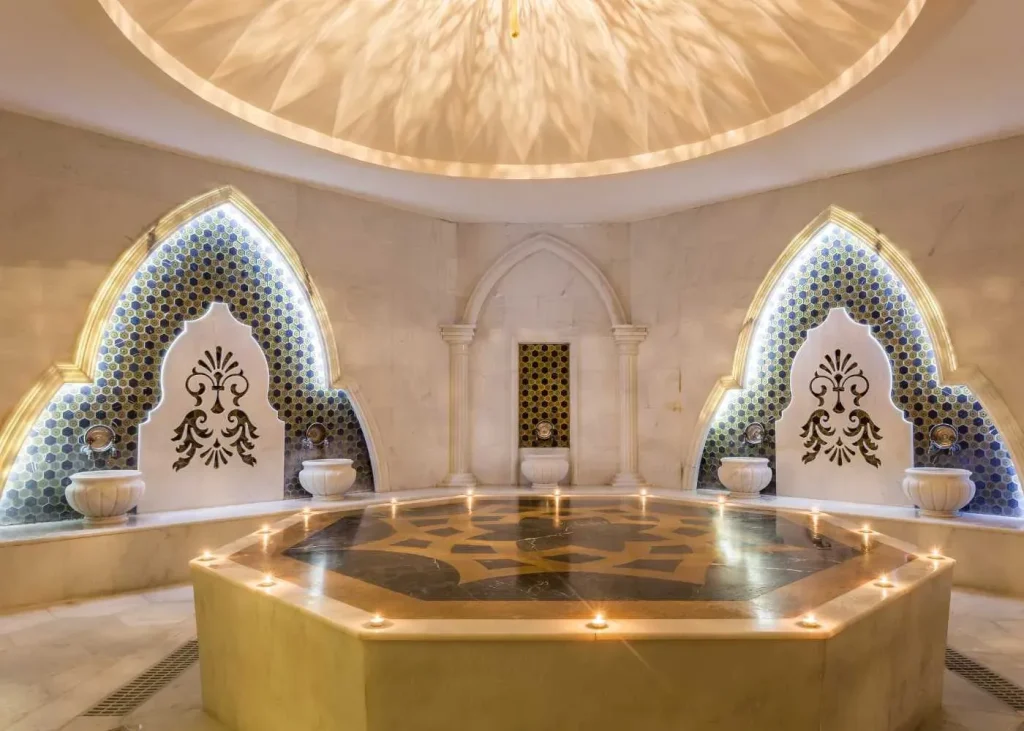
Turkish Hammam invites travelers into a centuries-old ritual of warmth, cleansing, and communal experience that unfolds in marble-clad spaces. From the steam-soaked warmth to the ceremonial kneading, it blends spa-like care with a sense of Turkish bath history, making every visit a cultural immersion. Participants move through a choreographed sequence—warmth, exfoliation (kese), soap, and massage—while embracing hammam rituals that have guided generations. Beyond cleansing, the experience offers wellness benefits hammam, promoting circulation, smoother skin, and deep relaxation that resonates long after you leave. Whether you are a curious first-timer or a seasoned traveler, the turkish bath etiquette and the Turkish bath experience promise hospitality, mindfulness, and a timeless sense of renewal.
Think of it as a heritage steam bath that blends public bath culture with spa-like ceremony, a ritual of cleansing performed in stone-and-marble halls. Across historic bathhouses and modern hammams alike, the experience unfolds through heat, lather, and deliberate touch that mirror the classic hammam rituals. From steam rooms and exfoliation to massage and quiet reflection, this wellness-driven tradition invites visitors to slow down, breathe, and reconnect with a place where culture and self-care meet.
1. Tracing Turkish Bath History: From Roman Baths to the Turkish Hammam
The Turkish bath history traces a path from ancient public baths to a refined hammam culture, with Roman bathhouses laying the groundwork for social cleansing rituals that blended hygiene, ceremony, and community. As traditions traveled eastward and merged with Islamic practices, the Hammam emerged as a distinctly Turkish experience. The word Hammam itself, rooted in Arabic and Turkish linguistic strands, signals warmth, purification, and shared ritual, setting the stage for architectural splendor in marble, domed ceilings, and meticulous tilework.
Over centuries, hammams became anchors of city life—from Istanbul to Bursa—serving as centers for celebration, conversation, and quiet reflection. This enduring Turkish bath history is defined by a sequence of rooms that gently increase in heat, guiding visitors through cleansing and renewal in spaces that emphasize social connection as much as personal care.
2. Hammam Rituals Unveiled: The Step-by-Step Turkish Hammam Experience
Hammam rituals unfold as a deliberate, soothing rhythm that invites relaxation. Visitors enter wrapped in a Peshtemal, acclimate in a warm, humid chamber, and begin the cleansing journey with mindful breathing as pores open and tension loosens. The core rituals emphasize a gradual progression—from warmth to steam to cleansing—that prepares the body for deeper care.
A traditional kese exfoliation, followed by fragrant soaps and oils, smooths the skin and stimulates circulation. Attendants may offer a massage that varies in depth to suit preference, culminating in a rinse and cooling rest. This sequence—hammam rituals—transforms routine cleansing into a restorative Turkish bath experience that nourishes both body and mind.
3. Wellness Benefits Hammam: Body, Skin, and Mind in Steam
The heat and humidity of a hammam promote sweating, which can support detoxification and skin health while aiding relaxation. Exfoliation leaves the skin renewed and smooth, and the massage eases muscle tension and improves circulation, contributing to a holistic sense of wellness. These outcomes are often highlighted as wellness benefits hammam people seek when adding a steam ritual to their routines.
Beyond the physical, the social ambiance of hammam rituals—shared space, quiet conversations, and mindful movement—helps reduce stress and fosters a sense of community. Regular attendance supports a balanced lifestyle, offering mental clarity and a restorative break from daily pressures as part of a broader wellness practice.
4. Turkish Bath Etiquette: Do’s, Don’ts, and Respectful Participation
Observing turkish bath etiquette starts with appropriate attire, typically a Peshtemal or modest swimwear, and respectful behavior in shared spaces. Keeping voices low, following staff guidance, and honoring local norms are key aspects of a considerate visit that ensures comfort for all guests.
Communicating preferences to attendants, noting skin sensitivities, and staying hydrated before and after sessions are practical steps to enhance comfort. Tipping, when permitted, supports quality service, and planning your visit with ample time allows you to savor the ritual rather than rush through it, aligning with the mindful spirit of Turkish bath etiquette.
5. The Turkish Hammam Experience: Architecture, Atmosphere, and Attentive Care
The architecture of a Turkish Hammam blends marble slabs, sculpted niches, and domed ceilings to create a resonant, bathing sanctuary. The sequence through warm rooms, steamy corridors, and cooling spaces heightens the senses and honors centuries of design that encourage reflection, renewal, and quiet social engagement.
Attendants guide the ritual with attentive care, offering kese, cleansing soaps, and massage in a rhythm that respects personal pace and preference. The combination of architectural drama, soothing atmosphere, and professional care makes the Turkish bath experience one that balances tradition with personal wellness, providing a dignified space for relaxation and cultural immersion.
6. Choosing and Integrating a Turkish Hammam into Your Wellness Routine
When selecting a hammam, prioritize authentic ritual practice, cleanliness, and experienced staff. Look for facilities that preserve traditional elements like Kese exfoliation and massage, and consider language accessibility and staff hospitality to ensure clear communication and a comfortable experience. Evaluating these factors helps you find a setting that aligns with Turkish bath history and the broader hammam tradition.
As part of a wellness routine, the Turkish Hammam can complement mindfulness, yoga, spa treatments, or spa rituals. Regular sessions support relaxation, skin health, and circulation while offering cultural immersion that enriches travel experiences or local wellness goals, turning the hammam into a meaningful, ongoing wellness practice.
Frequently Asked Questions
What does Turkish bath history reveal about the Turkish Hammam experience and its architecture?
Turkish bath history traces public bath culture from the Roman era to Ottoman-era hammams, influencing the design of today’s spaces. Classic Hammam architecture features marble slabs, domed ceilings, and a sequence of progressively warmer rooms that support the ritual flow. The Turkish Hammam experience combines warmth, cleansing, and ritual purification—arrival, warmth, exfoliation with Kese, soap and massage, and a final rinse—within a setting built for social calm and renewal.
What are the core hammam rituals in a Turkish Hammam and how do they shape the experience?
The core hammam rituals typically follow a gentle, repeating rhythm: arrival and preparation; warmth and steam to open pores; exfoliation with a Kese to cleanse and stimulate circulation; soap washing and usually a massage; and a rinse with a cool-down. Attendants may tailor the depth of the massage, and guests wear a Peshtemal or swimwear. This sequence nurtures relaxation, cleansing, and renewed comfort—the essence of a Turkish Hammam.
What wellness benefits hammam rituals offer within a Turkish bath experience?
Turkish bath rituals provide wellness benefits hammam by using a warm, humid environment that supports sweating and detoxification, along with exfoliation for smoother skin and massage to ease muscle tension and boost circulation. The social, mindful setting can reduce stress and foster a sense of community, while the session rhythm provides mental clarity and a restorative break, aligning with hammam wellness traditions.
What Turkish bath etiquette should I follow to fully enjoy a Turkish Hammam?
Observe Turkish bath etiquette by wearing a Peshtemal or swimsuit and maintaining modesty and respect for others. Hydrate before and after, communicate your preferences for massage depth or sensitivities to the attendant, and follow staff cues about sections, timing, and tipping where permitted. Arriving with time to savor the ritual helps you engage fully in the Turkish Hammam experience.
How should a first-time visitor choose a hammam to experience authentic Turkish bath history and hammam rituals?
Choose a hammam based on atmosphere, cleanliness, and the availability of traditional rituals like Kese and massage. A smaller, well-reviewed facility with English-speaking staff often offers a more authentic Turkish bath history and hammam rituals experience. Look for places that honor traditional sequences and provide clear guidance to help you participate respectfully and confidently.
How can I integrate a Turkish Hammam into my wellness routine to maximize the wellness benefits hammam?
Incorporate the Turkish Hammam into your wellness routine as a complementary practice to mindfulness, yoga, or spa treatments. Regular visits to enjoy cleansing, exfoliation, and massage can support relaxation, skin health, and circulation, while pairing rituals with consistent self-care primes mental and physical renewal.
| Aspect | Summary | Practical Details |
|---|---|---|
| History & Heritage | Origins rooted in Roman bath culture; Hammam evolved through Eastern and Islamic influences; architectural features include marble slabs, domed ceilings, and intricate tilework; historically a social and ceremonial center. | Centers of community from Istanbul to Bursa; hammams function as social anchors. |
| Rituals & Flow | Core sequence: arrival, warmth/steam, exfoliation (kese), soap and massage, rinse and cool-down; cleansing body and renewing mind. | Acclimate to heat; local customs vary; emphasizes a calm, unhurried pace. |
| Wellness Benefits | Detox via sweating; improved skin texture; eased muscle tension; enhanced circulation; stress relief; mental clarity. | Social rituals enhance wellbeing through shared space and mindful movement. |
| Etiquette & Preparation | Wear a Peshtemal or swimsuit; hydrate; communicate preferences; maintain modesty; tipping; plan extra time. | Respect local norms; ask for guidance from attendants; wear appropriate footwear on hot floors. |
| Choosing the Right Hammam | Balance traditional rituals with atmosphere, cleanliness, and language support; authentic rituals preferred. | Seek smaller, well-reviewed venues with English-speaking staff for newcomers. |
| Incorporating into Wellness | Pairs with mindfulness, yoga, or spa treatments; regular visits support relaxation, skin health, and circulation. | Integrate hammam visits as part of a holistic wellness routine. |
| What to Expect | A curated sequence of warmth, exfoliation, soap, massage, and rest; plan for hydration and downtime. | Allow time for cooling down and reflection; adapt to local practices and policies. |
Summary
Turkish Hammam offers a timeless fusion of history, ritual, and wellness. Across centuries and cities—from grand historic bathhouses to contemporary spa spaces—the practice blends cleansing, warmth, and social connection in architecturally stunning settings. The hammam experience unfolds as a carefully choreographed flow: preparation and warmth, exfoliation with kese, soap and massage, followed by a rinse and restful cooldown. This immersive ritual can support relaxation, skin health, improved circulation, and mental clarity, all within a space that encourages mindful interaction and community. Whether you visit a historic bathhouse or a modern hotel spa, Turkish Hammam remains a cornerstone of Turkish culture and a meaningful path to wellbeing, inviting you to step into a tradition that nurtures body, mind, and spirit.