
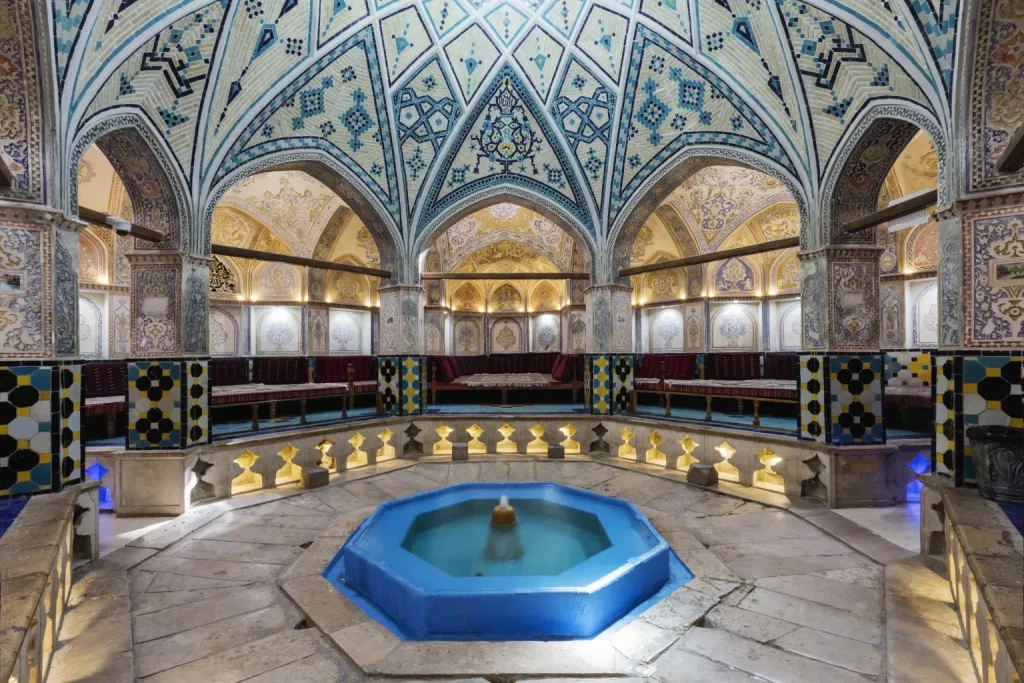
Turkish baths have beckoned travelers for centuries with a unique blend of steam, marble, ritual cleansing, and quiet social connection. This hamam experience goes beyond a simple cleansing ritual; it’s a ceremony refined over generations. When you step into a traditional Turkish bath, you enter a world where heat and humidity melt away stress, and where the scent of olive oil, soap, and aromatics mingles with the soft murmur of conversation. The experience is framed by Turkish bath etiquette, from how you dress to how you move through the spaces and share in the quiet rhythm. From iconic hammams to contemporary wellness spaces, you’ll encounter signature Turkish bath treatments that reveal the culture’s enduring spa heritage.
Beyond the label hamam, the concept unfolds as a steam ritual rooted in Ottoman bathhouse culture, a framing that aligns with Latent Semantic Indexing practices. Through LSIs, it’s described as a steam ritual, an Ottoman bathhouse tradition, or a marble-clad spa ceremony, all pointing to the same experience. Other related terms include hammam culture, public bathhouse ritual, and traditional cleansing rite, which helps connect search queries to the core experience. This keyword-framing supports discoverability for topics like etiquette, treatments, and the best hammams in Turkey while preserving the sensory, communal feel.
Immersive Hamam Experience: Inside a Traditional Turkish Bath
Stepping into a hamam is stepping into a living tradition of heat, marble, and hushed talk. The air is warm and moist, the gleaming surfaces reflect soft light, and the mood invites a deep, sensory unwind. This hamam experience blends ritual cleansing with social warmth, from the scent of olive oil and soap to the gentle murmur of attendants and fellow guests.
In such spaces, the experience is as much about atmosphere as technique. Protect your modesty with a pestemal, follow the host’s lead through the warm room, the exfoliation, and the foam massage, and savor the quiet rhythm that makes the Turkish bath experience feel ceremonial rather than simply cleansing.
The Anatomy of a Traditional Turkish Bath: A Ritual from Warmth to Rejuvenation
A traditional Turkish bath unfolds as a carefully choreographed journey through rooms of increasing heat. You enter the entrance and preparation area, move into the hararet (hot room) where muscles loosen and pores open, and then transition to kese exfoliation and soap wash. This sequence is the essence of the traditional Turkish bath, with marble, steam, and measured tempo guiding you.
After cleansing, a foam massage and a rinse seal the cleansing ritual, followed by a moment of rest in a cooler space. The interior design and ritualized timings heighten relaxation, making the entire experience more than a simple shower—it becomes a rejuvenating, almost meditative practice within the broader hamam tradition.
Signature Turkish Bath Treatments You Might Encounter
Among the Turkish bath treatments, kese exfoliation using a rough glove is the cornerstone. The scrub sloughs away dry skin, leaving skin more receptive to moisturizers, followed by a robust foam massage that coats the body in soft lather.
Natural oil massages with olive oil or specialty blends soothe tired muscles, while mud masks or clay applications add detoxifying hydration. Aromatherapy and optional add-ons like scalp massage or hot-stone experiences customize the treatment to your preferences.
Finding the Best Hamams in Turkey: Iconic Spots in Istanbul and Beyond
Across Turkey, and especially in Istanbul, the best hamams in Turkey are celebrated for architecture and enduring ritual. Çemberlitaş Hamamı, Cağaloğlu Hamamı, Kılıç Ali Pasha Hamamı, and Ayasofya Hürrem Sultan Hamamı are frequently cited as quintessential experiences that define the Turkish bath culture.
Choosing where to go depends on what you seek: ornate interiors, historical ambiance, or modern comfort. Reading reviews, booking in advance, and asking about signatures services helps ensure you experience a memorable hamam journey.
Turkish Baths Etiquette and Comfort: Respectful Relaxation
Turkish bath etiquette emphasizes privacy, comfortable attire, and respectful behavior. Decide whether you prefer a private or shared space, typically using a pestemal or modest wrap, and note that some spaces require gender-separated areas.
Tipping is common for attentive exfoliation and massage, staying hydrated is essential, and maintaining a quiet, relaxed tone allows everyone to enjoy the ritual. Timing also matters—allow ample time for cleansing, rest, and post-session moisturization.
Planning Your Visit: Practical Tips for a Memorable Hamam Experience
Planning your visit means booking in advance, especially at historic sites where slots fill quickly. The language barrier is usually manageable, as staff commonly accommodate international guests and can tailor services and add-ons during booking.
What to bring includes a pestemal, a reusable water bottle, and comfortable clothing. Aftercare—rest, hydration, and a light massage or moisturizer—helps lock in the glow, while respecting local norms ensures a smooth, enjoyable hamam experience.
Frequently Asked Questions
What makes a traditional Turkish bath a memorable hamam experience?
A traditional Turkish bath blends heat, marble architecture, and ritual cleansing into a ceremonial hamam experience. In a well‑established hamam, you move through warm rooms, perform kese exfoliation, and enjoy a soap and foam massage followed by a refreshing rinse. The social, tranquil atmosphere often makes this more than a cleansing—it’s a lasting memory of spa culture.
What are Turkish bath treatments commonly offered in a hamam, and what should I expect?
Common Turkish bath treatments include kese exfoliation, foam massage, and olive oil or aromatic oil massages. A trained attendant uses a kese glove to exfoliate, followed by a generous soap lather and foam massage. Some hammams add clay masks or aromatherapy options to tailor the experience.
What is the etiquette for visiting the best hamams in Turkey?
Turkish bath etiquette emphasizes modesty and respect in shared spaces. Decide on private vs public areas, and follow local norms about wearing towels or swimsuits. Hydration, quiet conversation, and tipping for good service help ensure a smooth, respectful hamam visit.
Which steps define the kese exfoliation and foam massage in a traditional Turkish bath?
In a traditional Turkish bath, the kese exfoliation is performed by a trained attendant using a rough glove to slough away dead skin. This leads into a warm soap wash and a foam massage that soothes muscles and nourishes skin. The sequence typically ends with a rinse and a rest in a cooler room.
Where can I find the best hamams in Turkey and how do their Turkish bath treatments compare?
Cities like Istanbul host several historic hamams with signature Turkish bath treatments such as kese exfoliation and oil massages. The best hamams in Turkey offer a blend of architecture, ritual, and attentive service that distinguishes their treatments. Some sites emphasize steam rooms and marble heating, while others highlight modern comfort.
How long does a typical Turkish bath session last and how should I plan my visit around Turkish bath etiquette?
A typical Turkish bath session lasts roughly 60 to 90 minutes, depending on the venue and package. Plan time for preparation, cleansing, and a short rest after the rinse. Following Turkish bath etiquette—hydration, modest dress, and a relaxed pace—helps you fully enjoy the ritual.
| Aspect | Key Points |
|---|---|
| Overview of Turkish baths and hamam concept in English. | Turkish baths combine steam, marble, ritual cleansing, and quiet social connection; historically called hamam and experienced as a ceremonial ritual rather than a simple wash. |
| Architecture and sensory journey | Gleaming marble, domed ceilings, and a sequence of rooms with heat and humidity guide the body and senses through a calming, layered experience. |
| Core progression of a traditional hamam | Preparation, hararet (hot room), kese exfoliation, soap wash, foam massage, rinse, and rest form the typical sequence in a traditional hamam. |
| Signature treatments | Kese exfoliation, foam and soap massage, natural oil massage, masks or mud applications, and optional aromatherapy/add-ons vary by hamam. |
| Etiquette and comfort | Options for privacy and attire (pestemal wraps, swimwear); tips on tipping, hydration, timing, and maintaining a quiet, respectful environment. |
| Iconic places and how to choose | Notable historic hamams in Istanbul (Çemberlitaş Hamamı, Cağaloğlu Hamamı, Kılıç Ali Pasha Hamamı, Ayasofya Hürrem Sultan Hamamı) showcasing Ottoman design and authentic rituals. |
| Planning your visit | Booking in advance, what to bring (pestemal/towel, water bottle), what to wear, language considerations, and expected visit duration (60–90 minutes). |
| Transformative power | Heat, texture, and massage can ease muscular tension, improve circulation, and foster a lingering sense of renewal and social connection. |
Summary
Turkish baths, yüzyıllar boyunca süregelen bir sağlık ve dinginlik kapısıdır; bu deneyim bedeninizi ve zihninizi yavaşlatıp yeniden bağlar. Hamamın ritüeli olan sıcaklık, dokular ve masaj, modern yaşamın temposuna karşı doğal bir denge kurar. Geleneksel adımlar ile kese exfoliation ve köpüklü masaj gibi öğeler, ziyaretçiye yalnızca temizlik değil, bedensel iyileşme ve toplumsal bağlar sunar. İstanbul’un tarihi hamamları gibi mekanlarda deneyimlenen Turkish baths, kültürel mirasa katkıda bulunan, ruhsal ve fiziksel açıdan dönüştürücü bir yolculuktur.