
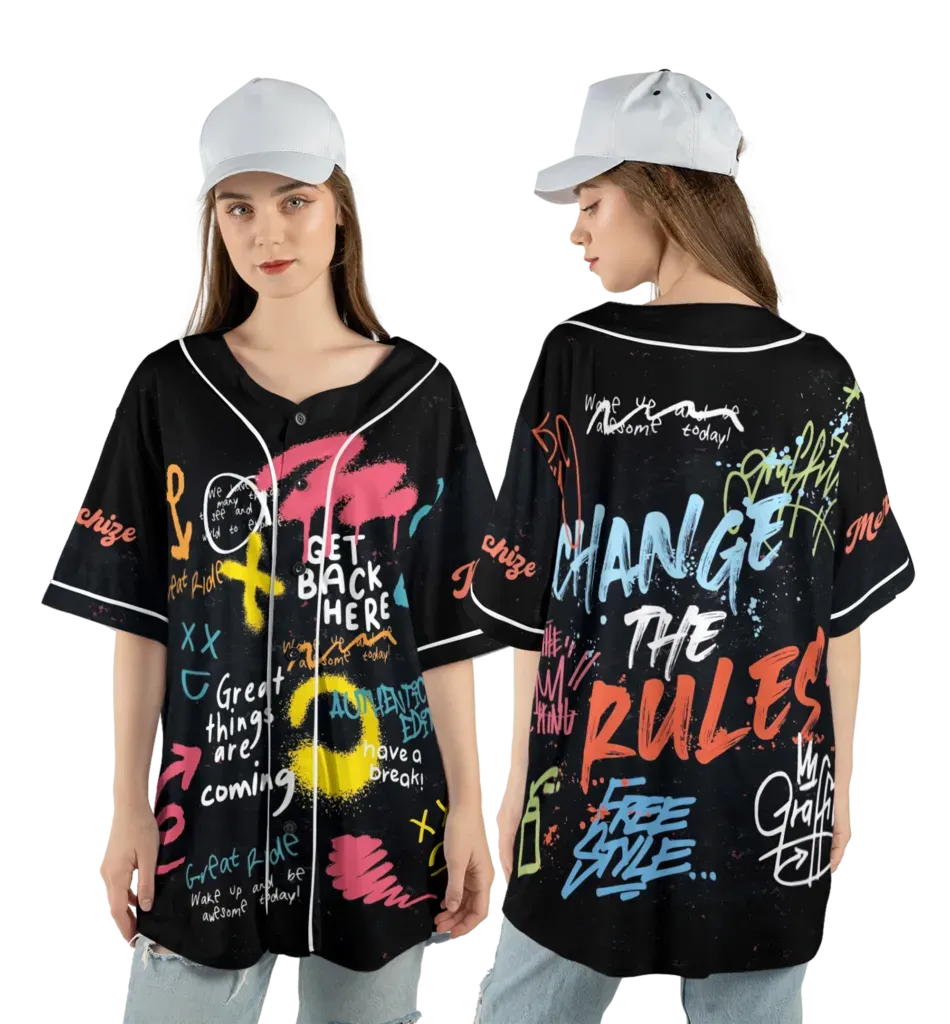
Print on demand apparel has transformed how brands launch and scale custom clothing, offering minimal upfront costs and global reach. For entrepreneurs, it enables testing ideas, iterating quickly, and shipping directly to customers without carrying stock, a model built around print on demand apparel. To maximize success with print on demand apparel, integrate POD t-shirts best practices and smart hoodie printing approaches to keep color and fabric quality consistent. This approach also hinges on clear product messaging, reliable POD clothing fulfillment, and a streamlined design-to-delivery workflow. By combining rigorous quality checks, accurate color management, and applying custom apparel printing tips, you create a scalable, trusted catalog that earns repeat orders.
In plain terms, this model means garments are produced after purchase, a made-to-order approach that reduces waste and inventory risk. Think of it as on-demand clothing production that lets brands test new designs without the risk of unsold stock. From an SEO and content perspective, this idea connects to terms like made-to-order apparel, custom garment printing, and digital textile printing, all reinforcing search relevance. The bottom line is faster go-to-market, flexible design exploration, and a superior customer experience enabled by reliable logistics.
Print on Demand Apparel Foundations: Quality, Speed, and Brand Consistency
Print on demand apparel has transformed how brands launch and scale custom clothing. With no upfront inventory, you can test ideas, iterate quickly, and reach customers worldwide. The upside arrives when you pair strong design with reliable production, efficient fulfillment, and consistent branding across items like t-shirts, hoodies, and more.
To achieve that reliability, adopt the core POD practices for design, production, and testing. Emphasize color management, consistent fabric blanks, and thorough QA to prevent surprises. A well-documented color library, physical samples, and clear product information support fast cycles and reduce returns—the heart of POD clothing fulfillment.
POD T-Shirts Best Practices for Consistent Quality
T-shirts are the core of most POD inventories, so following POD t-shirts best practices matters from the start. Start with the right blanks—fabric weight, cotton content, and knit quality—to ensure comfort and print smoothness.
Prepare artwork properly with vector files or high-resolution rasters, color-separate multi-color designs, and plan for bleed. Calibrate color profiles with your printer and request physical samples before large runs to maintain color accuracy and build trust with customers. Following POD t-shirts best practices reduces surprises in final prints.
POD Hoodies Printing: Handling Textures and Durability
Hoodies introduce new challenges with heavier fabrics and textured surfaces. For effective POD hoodies printing, choose mid-weight fleece or blends that accept DTG well or consider alternate methods for durability.
Plan large-area prints carefully to align with seams and pockets, use layering and color-blocking to minimize gaps, and emphasize wash durability in product descriptions to reassure buyers.
Custom Apparel Printing Tips for Design and Brand Identity
A strong design language helps your print on demand apparel stand out. Start with a clear concept—mascot, typography, or messaging—that can scale across tees, hoodies, and other garments.
Keep it legible with appropriate font sizes and placements, build a cohesive collection through aligned color palettes and motifs, and use mockups to showcase realistic prints. Accessibility considerations and mobile-friendly thumbnails help widen reach. These custom apparel printing tips help you maintain legibility and brand cohesion across products.
POD Clothing Fulfillment: Speed, Packaging, and Customer Experience
Fulfillment can make or break a POD brand. Focus on efficient order routing, routing orders to the nearest or fastest fulfillment partner to reduce transit times, and offering transparent shipping options.
Professional packaging and insert cards reinforce branding, returns and exchanges policies should be clear, and data-driven optimization—tracking cutting, printing, packing, and shipping times—helps you identify bottlenecks and drive improvements. POD clothing fulfillment is the foundation of repeat business.
Pricing, SEO, and Marketing for a Scalable POD Clothing Line
Sustainable profitability requires disciplined pricing, bundles, and attention to margins across garments like tees and hoodies. Evaluate base costs, print complexity, and expected volume, while considering fulfillment costs and shipping to protect margins.
Marketing and SEO are essential for growth: optimize product pages and content with focus keywords, include rich product data, and build internal links to spread authority. Integrate related terms such as POD t-shirts best practices, POD hoodies printing, and custom apparel printing tips naturally to improve relevance and search rankings for print on demand apparel.
Frequently Asked Questions
What is print on demand apparel and how does it work for a brand launching a new collection?
Print on demand apparel lets you offer garments only after a customer orders. You upload artwork to a platform, select apparel options, and a fulfillment partner prints and ships directly to the customer. This model minimizes upfront costs and inventory risk, but you must manage color accuracy, fabric quality, and lead times to protect your brand.
What are POD t-shirts best practices and how do they influence consistent quality in print on demand apparel?
Key POD t-shirts best practices start with choosing the right blanks and maintaining high-quality artwork files. Use vector or high-resolution raster art, color-separated designs, and proper bleed. Calibrate printer profiles and request physical samples to ensure color accuracy and fabric feel before mass runs. Selecting the printing method (DTG, heat transfer, etc.) and performing thorough QA helps maintain consistency across orders.
What should you consider in POD hoodies printing to ensure large designs look great on thicker fabrics?
POD hoodies printing requires fabric compatibility and print method choices that tolerate heavier, textured fabrics. Choose mid-weight fleece or blends that accept DTG or alternative methods, plan large-area prints around seams, use color blocking to reduce gaps, and emphasize durability in the product description.
What are custom apparel printing tips to maintain a cohesive brand across T-shirts and hoodies?
Custom apparel printing tips include starting with a clear concept, ensuring legibility on multiple colors and sizes, and building a cohesive collection with aligned palettes. Use mockups to preview placements, craft accessible designs, and maintain a consistent typography style to strengthen brand identity across garments.
How does POD clothing fulfillment impact speed, packaging, and customer experience?
POD clothing fulfillment affects delivery speed and buyer satisfaction. Optimize order routing to nearest partners, offer multiple shipping speeds, and provide polished packaging with a branded insert. Have clear returns policies and monitor fulfillment metrics to identify bottlenecks and improve processing times.
What pricing strategies should I use for print on demand apparel to balance margins, bundles, and customer value?
Effective pricing for print on demand apparel combines competitive base costs with value-added options. Use tiered pricing and bundles (for example, a T-shirt plus hoodie) to raise average order value while protecting margins. Align margins with fabric, print complexity, and expected volume, and consider shipping costs and customer lifetime value in your final price.
| Topic | Key Points | Practical Takeaways |
|---|---|---|
| What is Print on Demand Apparel? | Garments produced after order; no inventory; scalable; enables niche designs; challenges include color consistency and handling multiple product categories. | Use platforms to upload art, select options, partner with fulfillment; monitor color quality and delivery timing. |
| Core Design & Production | Low upfront costs; quick idea testing; focus on consistent quality and strong branding. | Test ideas with samples; maintain color/branding; move fast to market. |
| POD T-Shirts: Best Practices | Right blanks, proper artwork, color accuracy, suitable print method (DTG, heat transfer). | Choose fabric and weight carefully; prepare vector/high-res files; calibrate colors; select method per needs. |
| POD Hoodies: Printing | Heavier fabrics; large-area prints; alignment with seams; layer/color blocking; emphasize durability. | Choose mid-weight fleece; plan designs to minimize misregistration; ensure durability in product copy. |
| Design & Brand Identity | Strong design language; legibility; cohesive collection; effective mockups; accessibility work. | Develop concept-driven designs; ensure readability; keep color palettes cohesive; use accessible mockups. |
| Quality Control & Color Management | Sample programs; color libraries; QA checklists; color fastness testing. | Test blanks/prints; document color profiles; verify wash durability; address issues pre-production. |
| Fulfillment & Customer Experience | Speed, packaging, returns, and transparent communication influence repeat buyers. | Auto-route orders; offer shipping options; polished packaging; clear returns; monitor fulfillment metrics. |
| Pricing & Product Strategy | Tiered pricing, bundles, margins by garment, customer lifetime value, consider fulfillment costs. | Create bundles to raise AOV; adjust margins; implement loyalty; price to cover shipping/returns. |
| Marketing & Brand SEO | SEO-focused product pages and content; rich product data; internal linking; long-tail content. | Incorporate focus keywords; include fabric, care, size charts; link content to products; publish design inspiration. |
| Sustainability & Ethics | Eco-friendly blanks; water-based inks; transparent supply chain; responsible marketing. | Source sustainable garments; minimize waste; disclose suppliers; avoid greenwashing. |
| Real-World Scenarios | Brands validate designs with samples, expand lines, optimize fulfillment for better satisfaction. | Test, sample, partner with reliable fulfillment; use lifestyle imagery for better conversion. |
Summary
Conclusion: Building a Durable POD Apparel Brand — Print on demand apparel combines design excellence with disciplined operations to create a scalable, customer-centric catalog. By applying best practices across design, production, quality control, fulfillment, pricing, and marketing, you can deliver reliable POD clothing that delights customers and earns repeat orders. Focus on consistent color, comfortable fabrics, fast service, and truthful branding to grow a lasting print on demand apparel business.